2026-01-30 / 8 min / AI + Writing + Product
SharePen and writing tools that do not take over
Notes from building an AI writing product where the hard part is preserving the writer's intent.
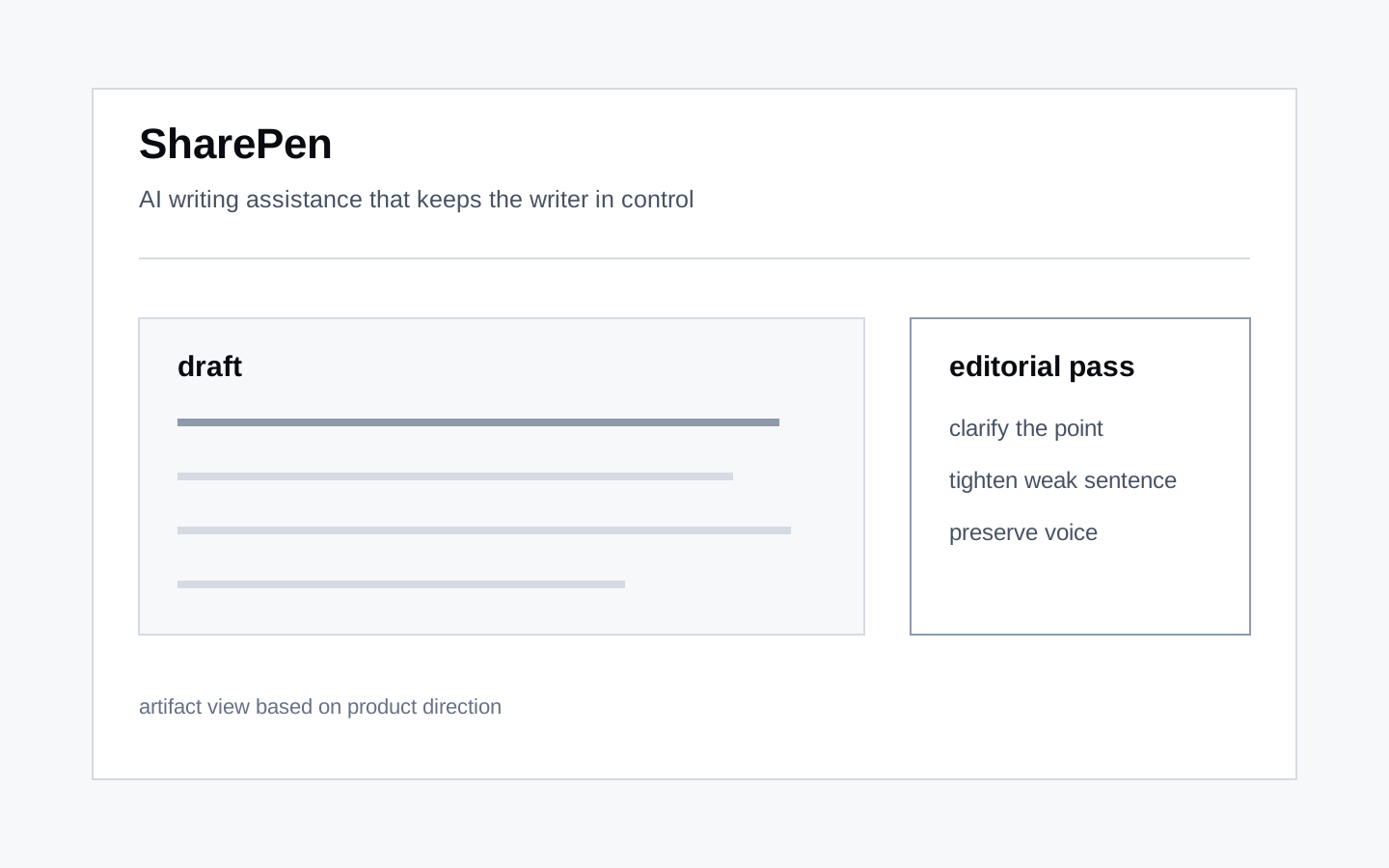
SharePen is the project where I have been most careful about the line between assistance and authorship. Writers do not usually need a machine to replace their taste. They need pressure on weak sentences, better structure when a draft is messy, and a way to stay in motion without losing ownership of the piece.
That changed how I thought about the interface. A writing tool can become noisy very quickly: sidebars, scores, suggestions, rewrite buttons, tone selectors, and prompt boxes all compete with the draft. The more I worked on it, the more the product direction moved toward calm intervention instead of constant prompting.
The useful AI features are the ones that can explain themselves. If a suggestion cannot point to the concrete sentence, tension, or structural issue it is improving, it probably should not be in the core flow. That principle helped separate impressive model behavior from product behavior that a writer would actually keep using.
I later raised funding for SharePen and sold the product, but the central lesson stayed the same: AI writing products should make the user feel more precise, not more dependent. The interface has to protect momentum and judgment at the same time.
takeaways.
- Writing products should optimize for continuity of thought, not feature density.
- AI suggestions need to be attached to specific editorial reasons.
- The product's restraint is part of its trust model.
related project.
SharePen - An AI-in-the-loop writing product built to sharpen drafts without taking authorship away from the writer; raised funding and later sold.